
Costa de la Luz, Andalusia
Holiday rentals in Province of Cádiz
In little more than a hundred kilometres of coastline, the province of Cádiz packs in some of Europe’s best beaches, white villages clinging to the sierra, sherry, flamenco and almadraba bluefin tuna. This is the Costa de la Luz: open Atlantic, real tides, pale sand and very little built on the seafront.
Most of our portfolio sits here, spread across Conil de la Frontera, El Palmar de Vejer, Chiclana de la Frontera and other towns in the La Janda and Bay of Cádiz districts. Pick the destination that fits your trip, or search the whole province by dates.
- Costa de la Luz: Open Atlantic
- Airports: Jerez & Seville
- Climate: Mild year-round
Destination
Province of Cádiz
Enter your dates to see availability and the final price. Guestyz’s own properties are shown first.
Explore the province
Pick the destination that fits your trip.
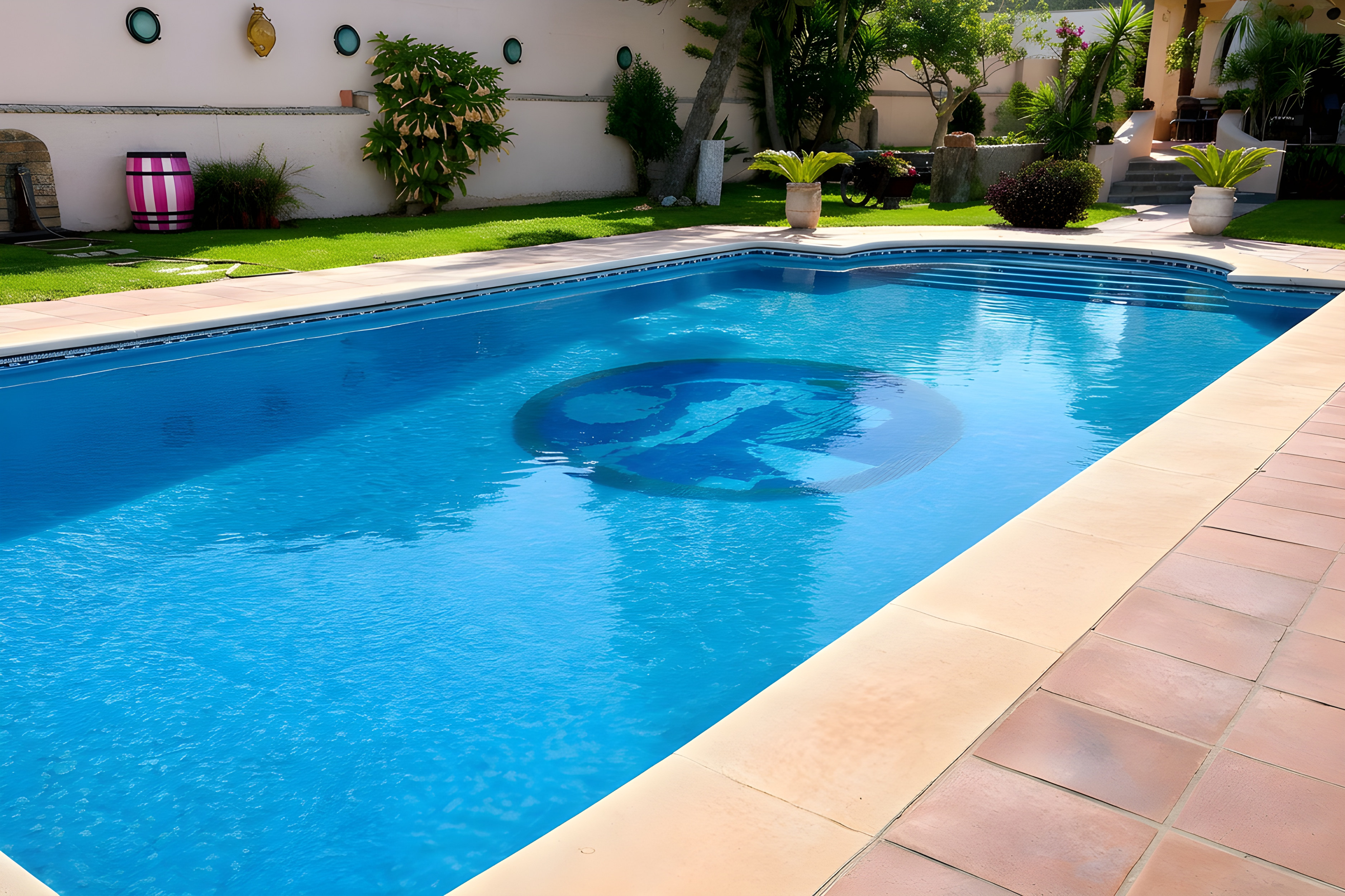
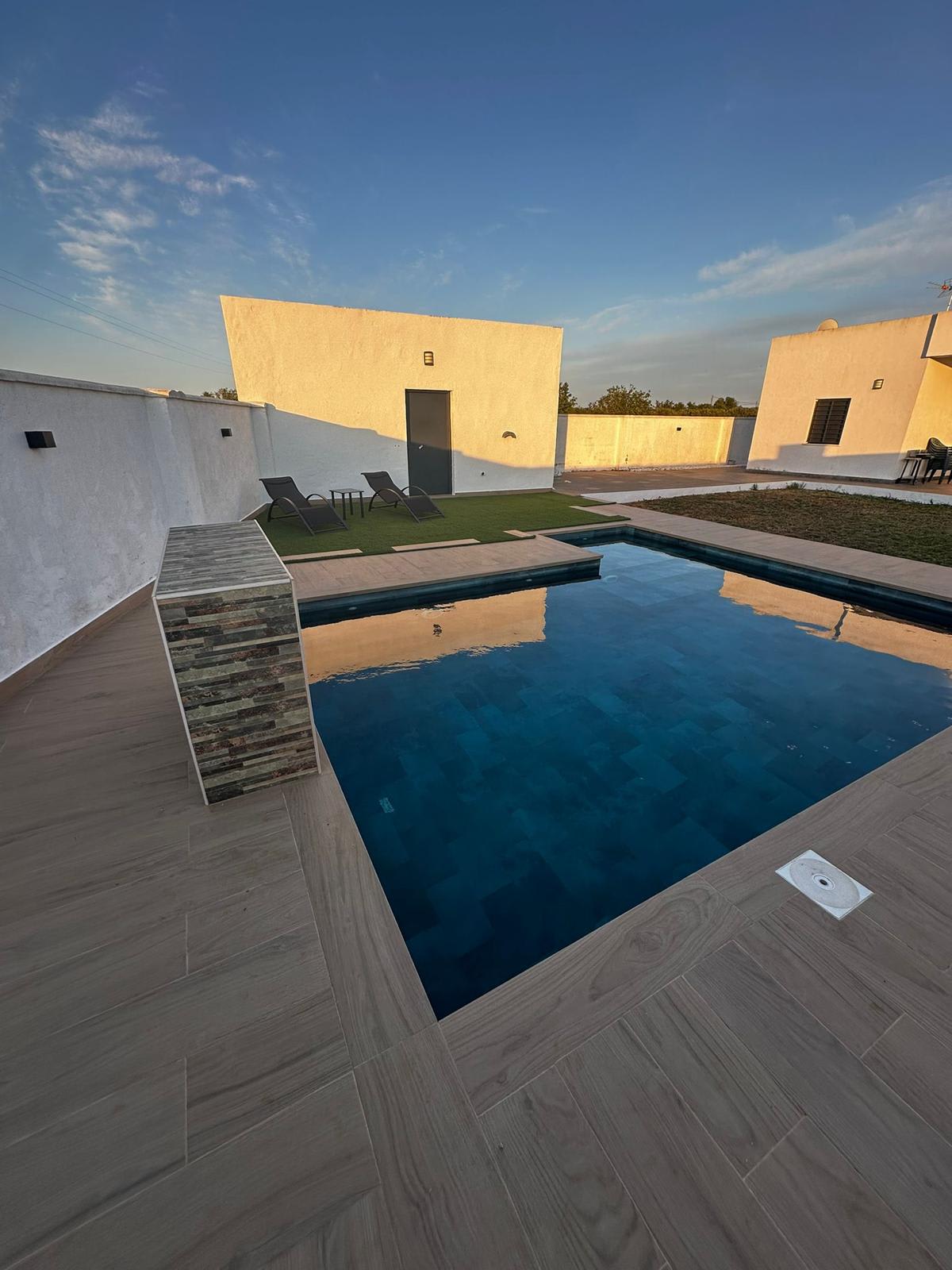
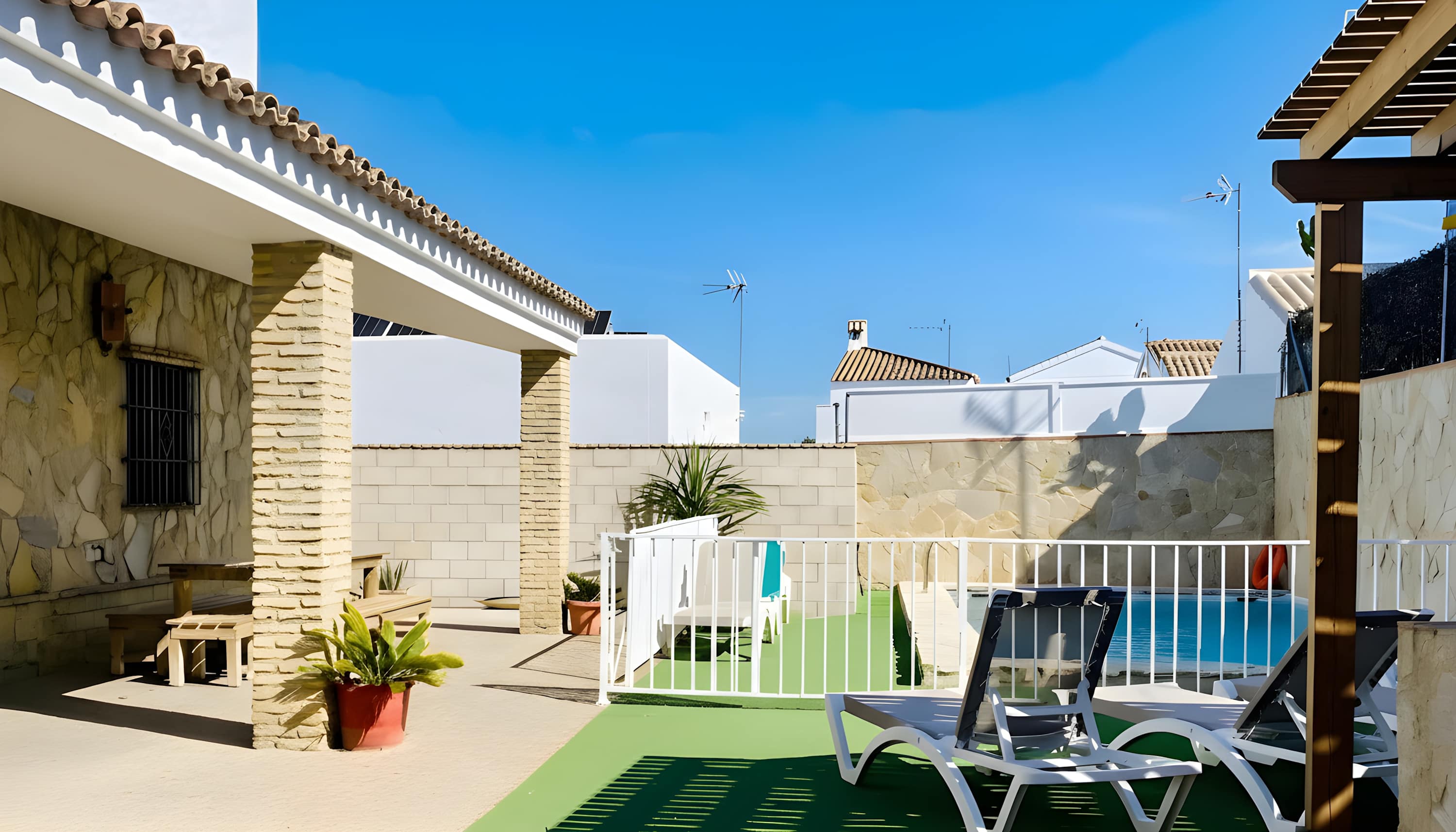
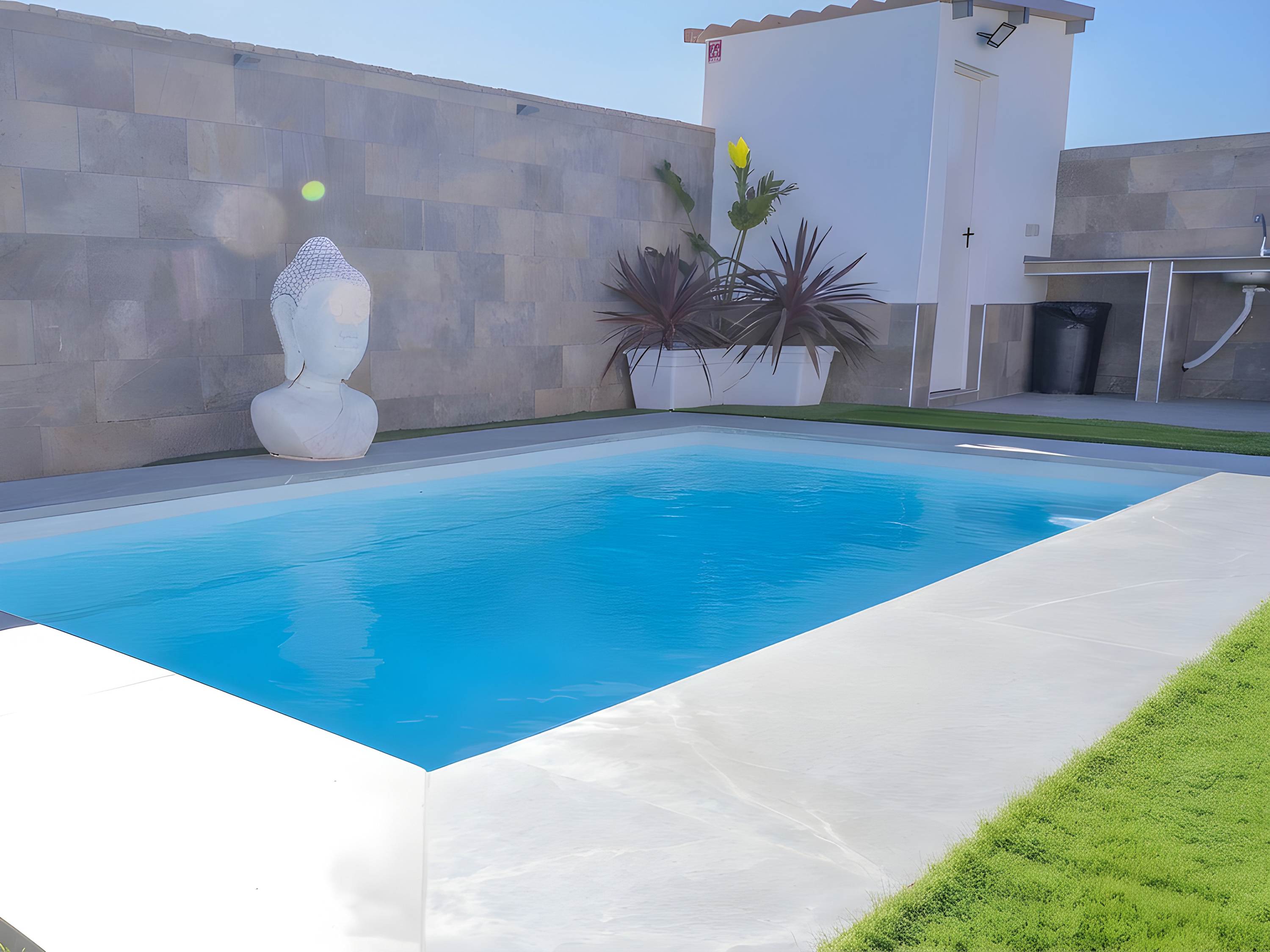
Guestyz stays in Province of Cádiz
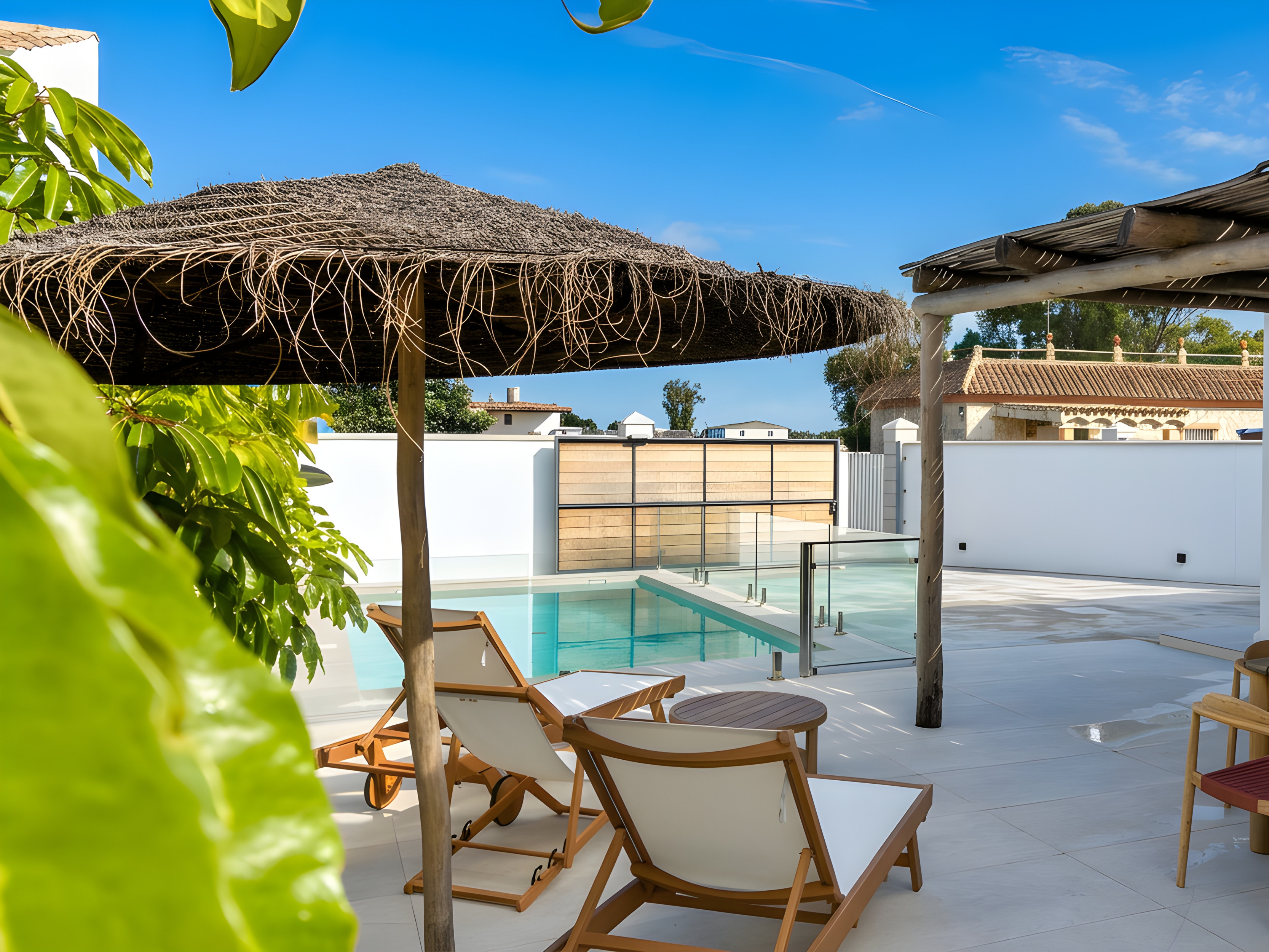
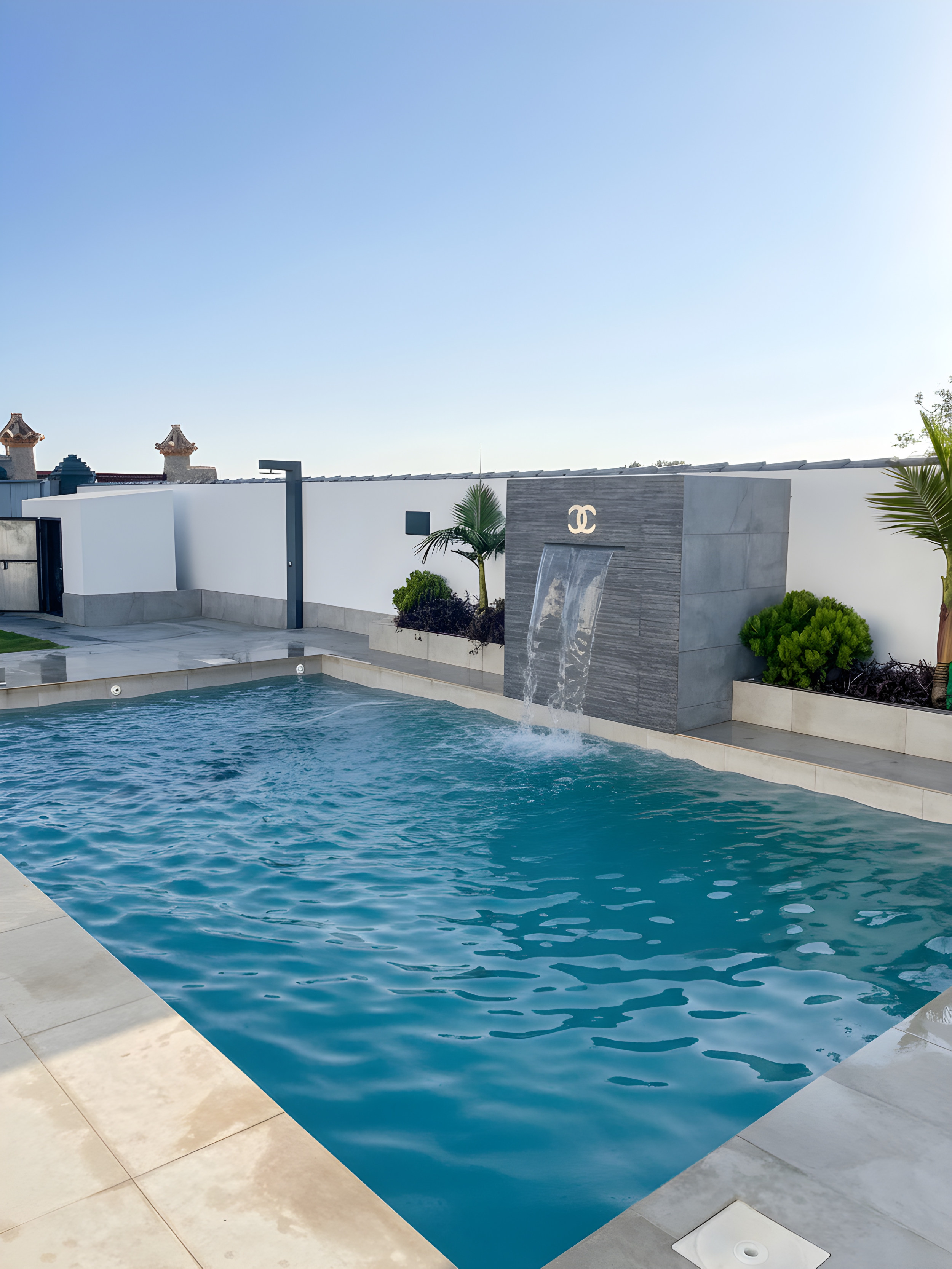
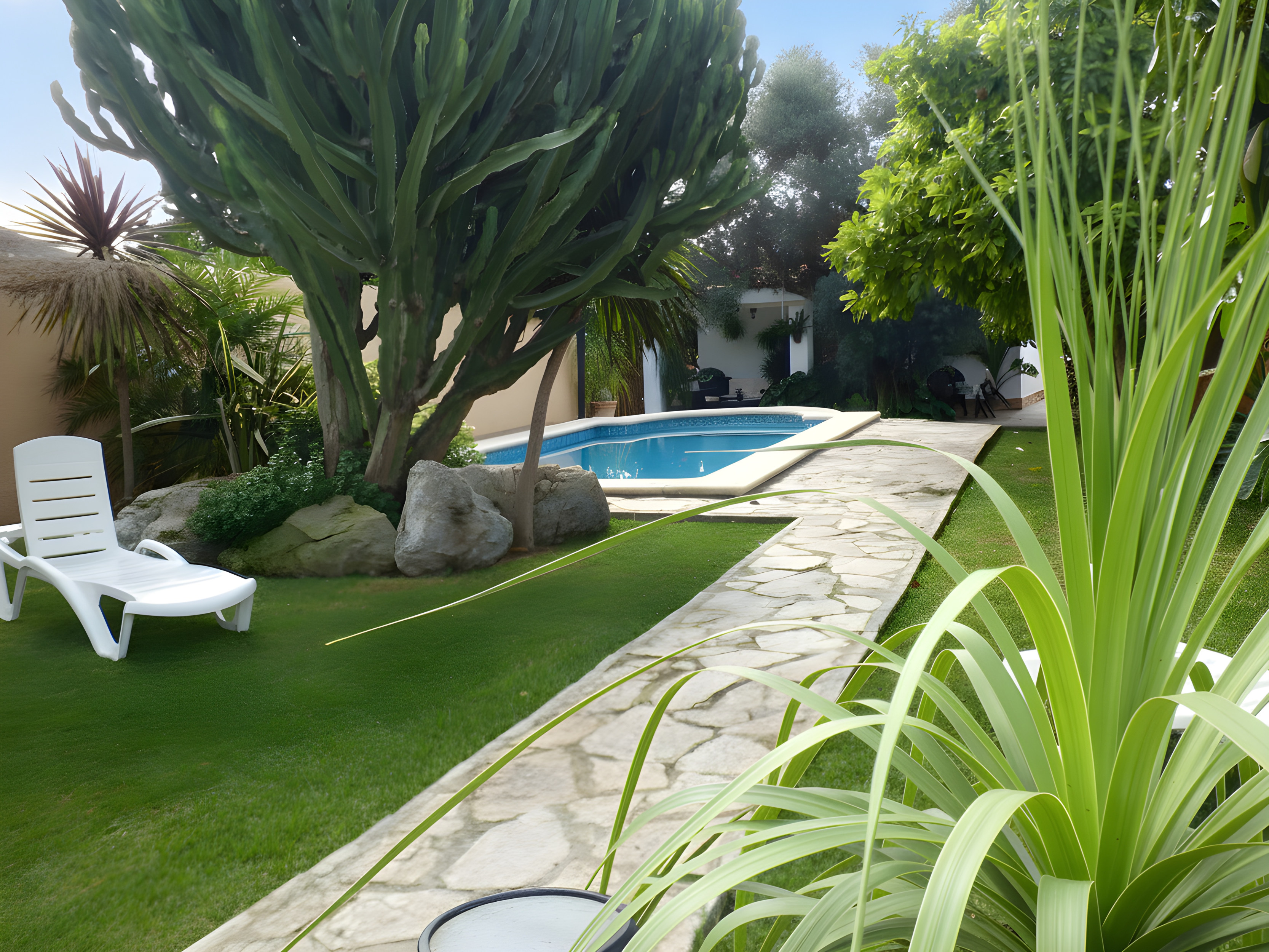
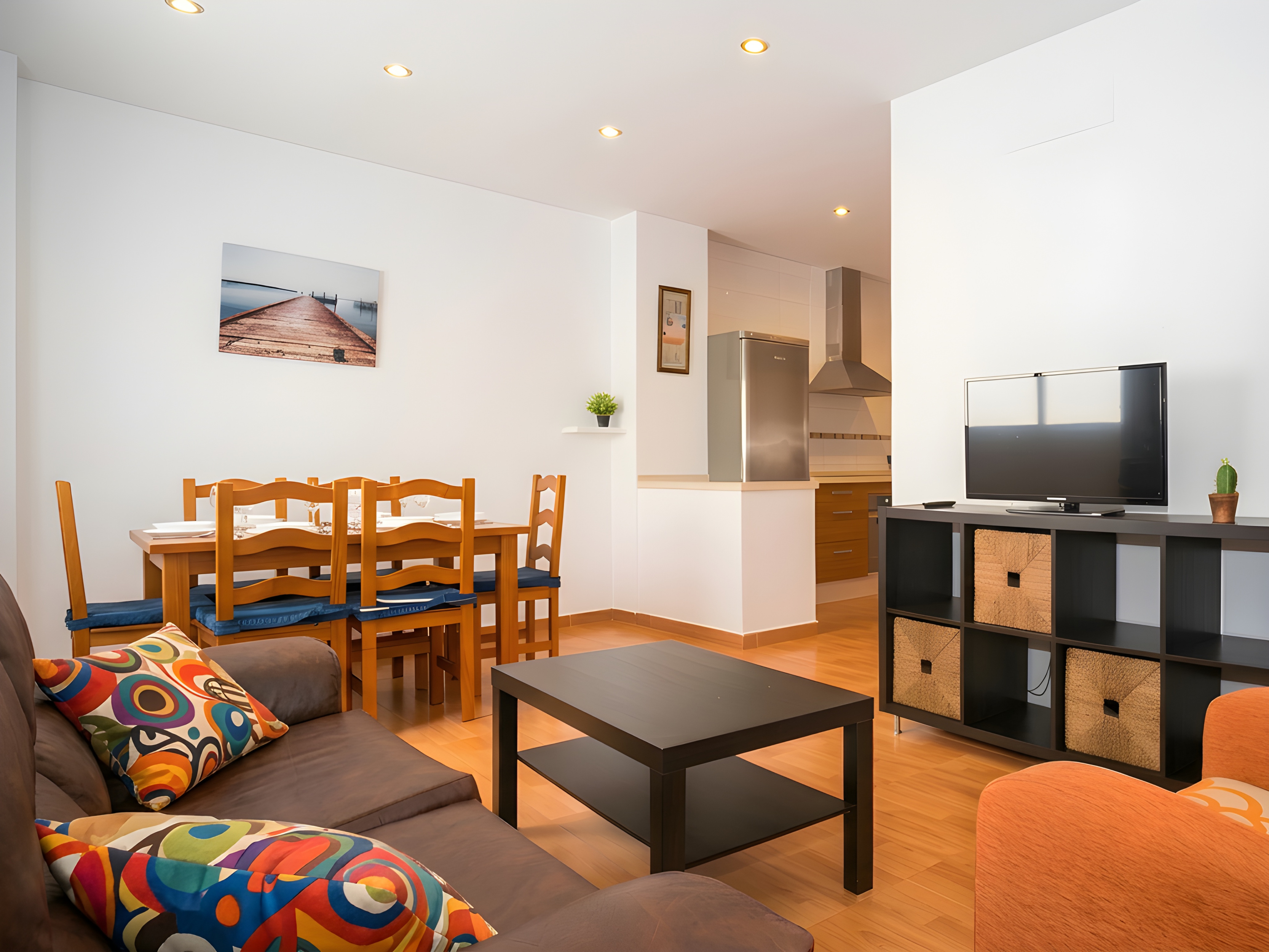
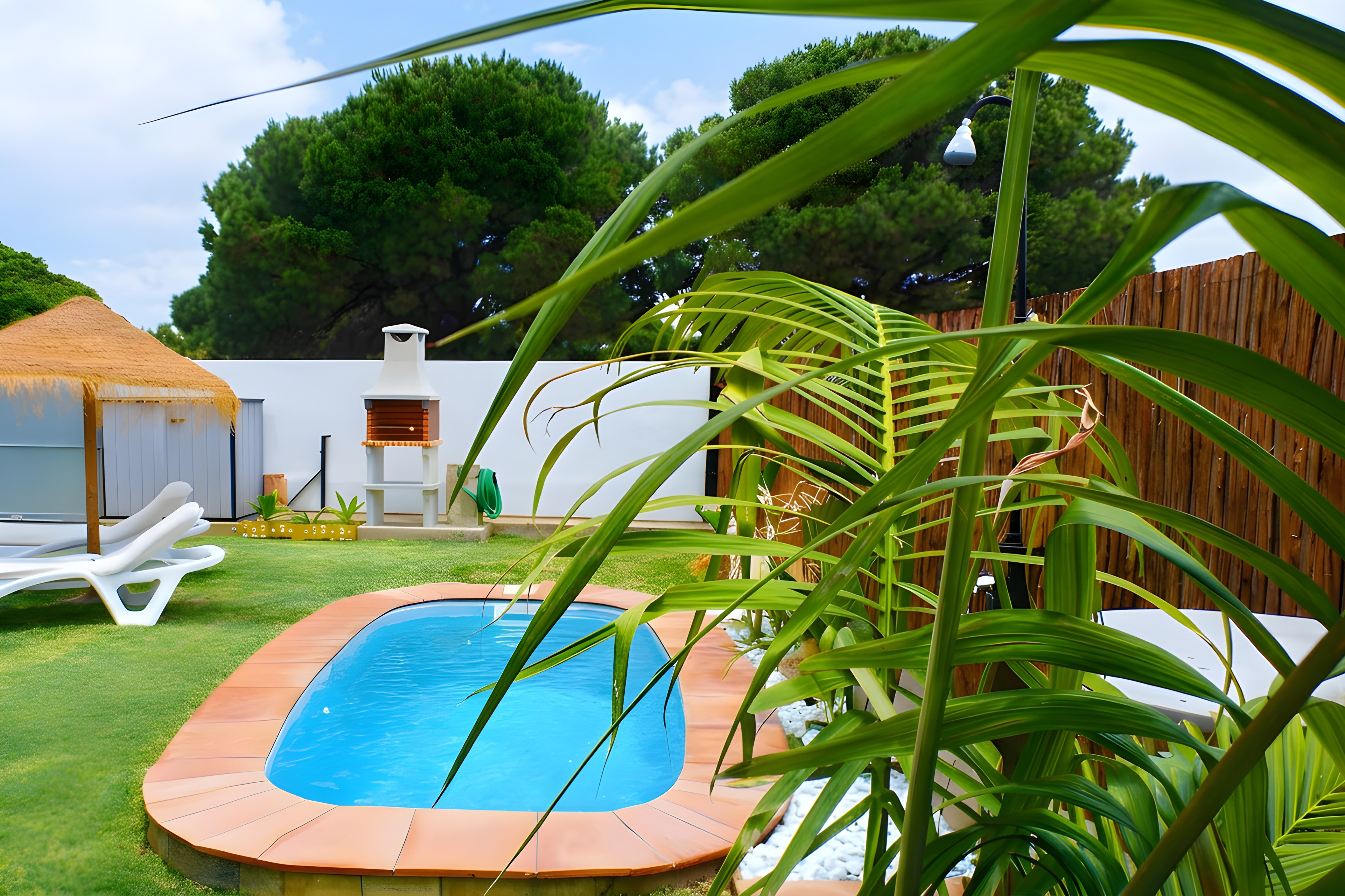
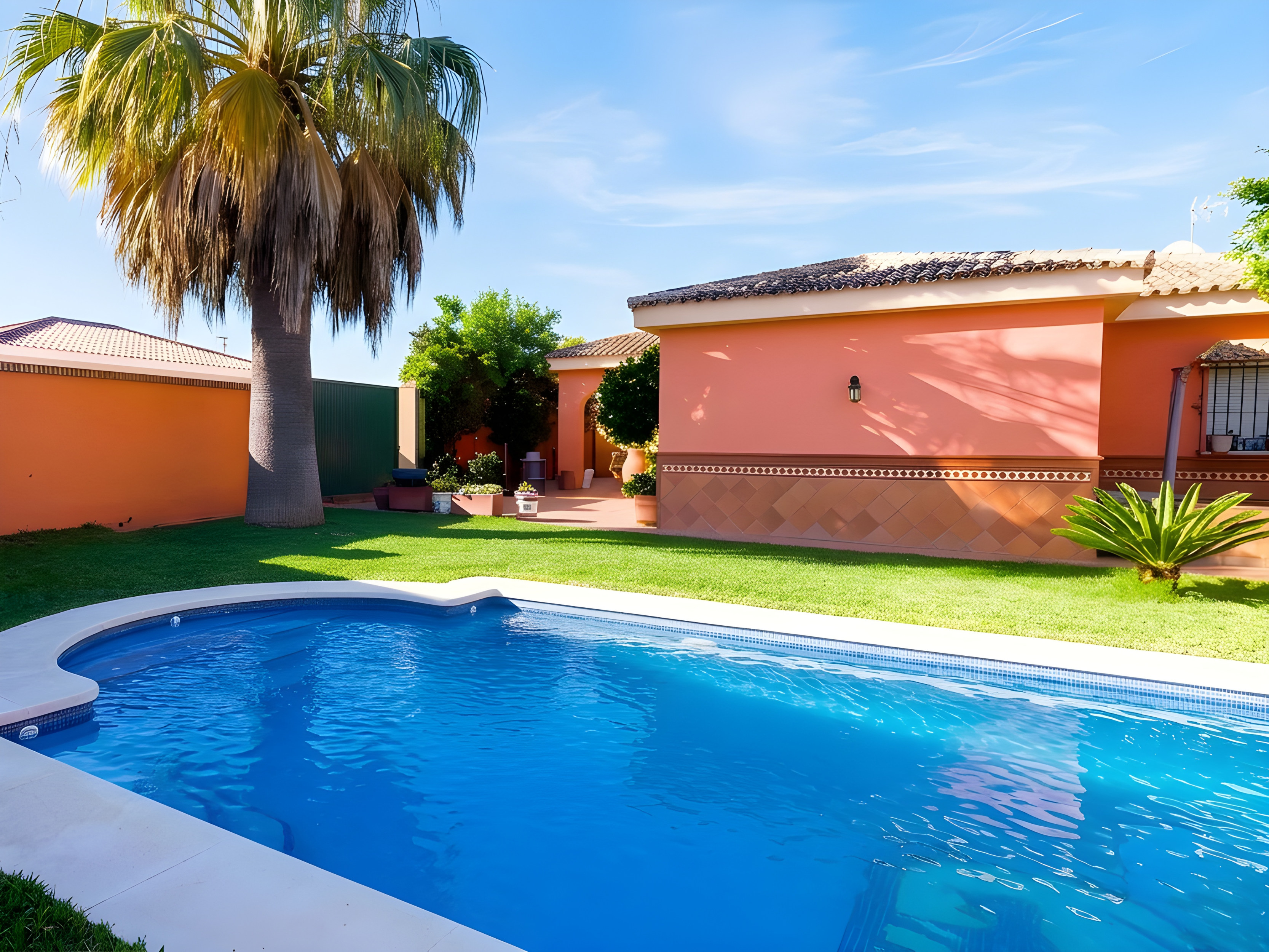
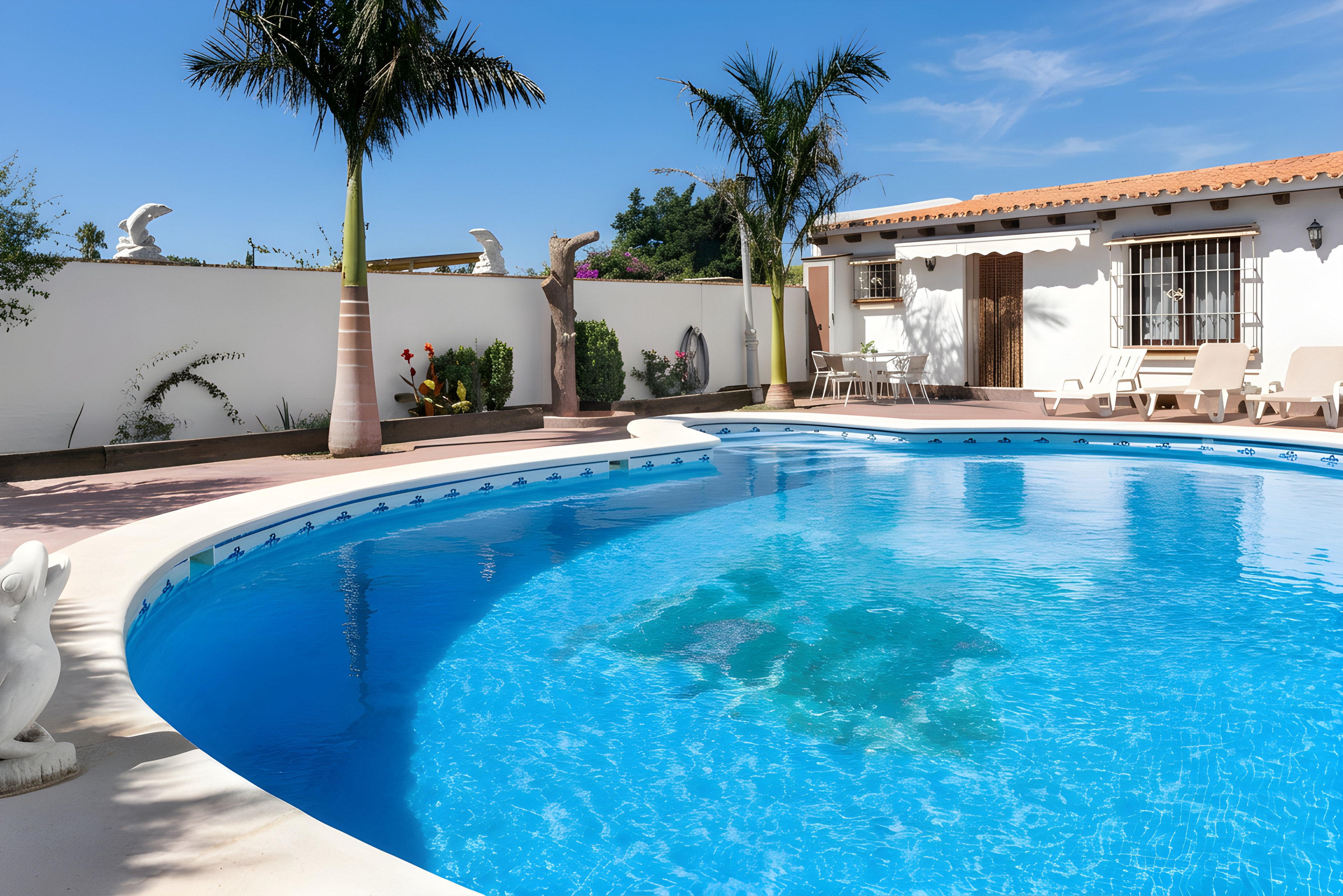
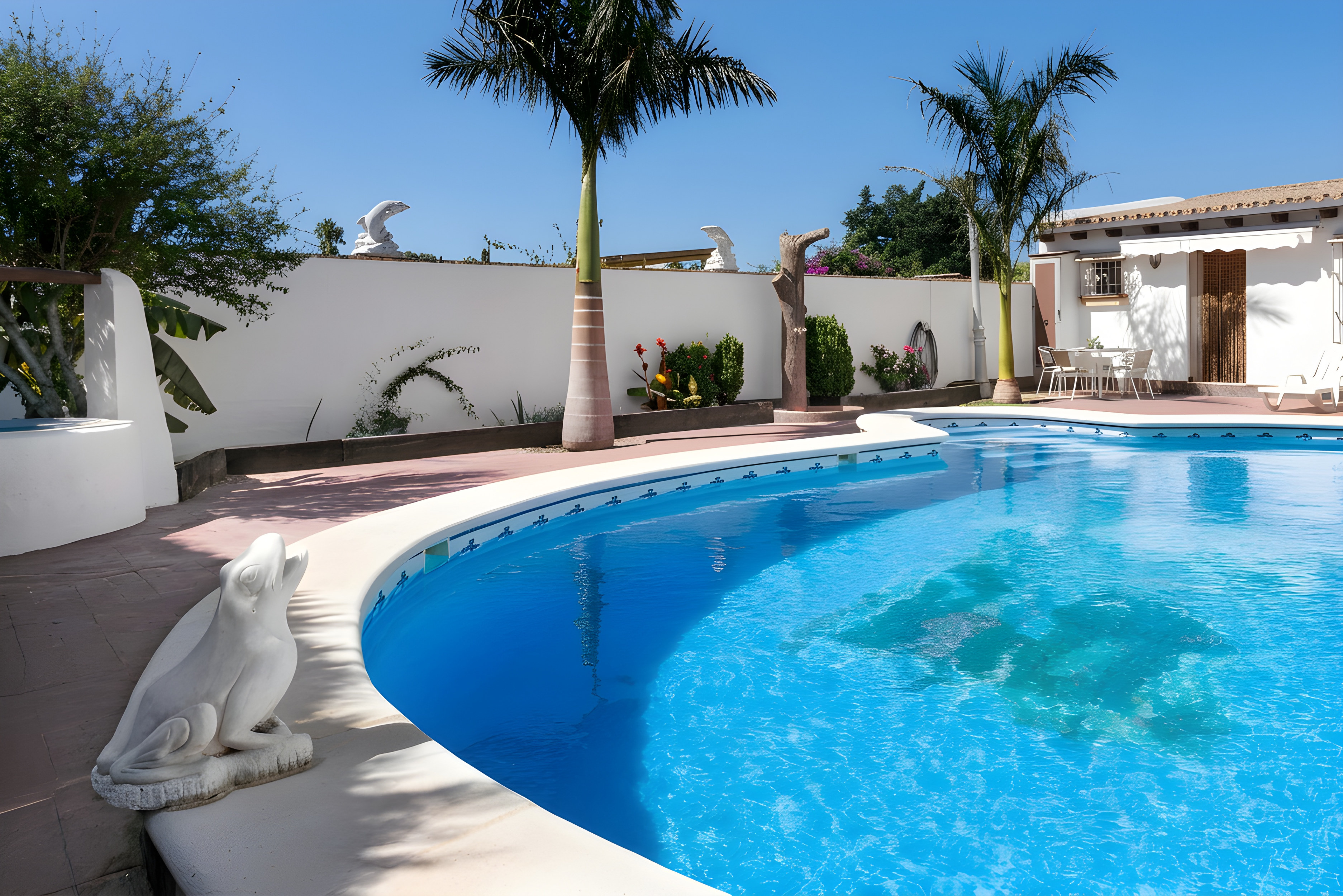
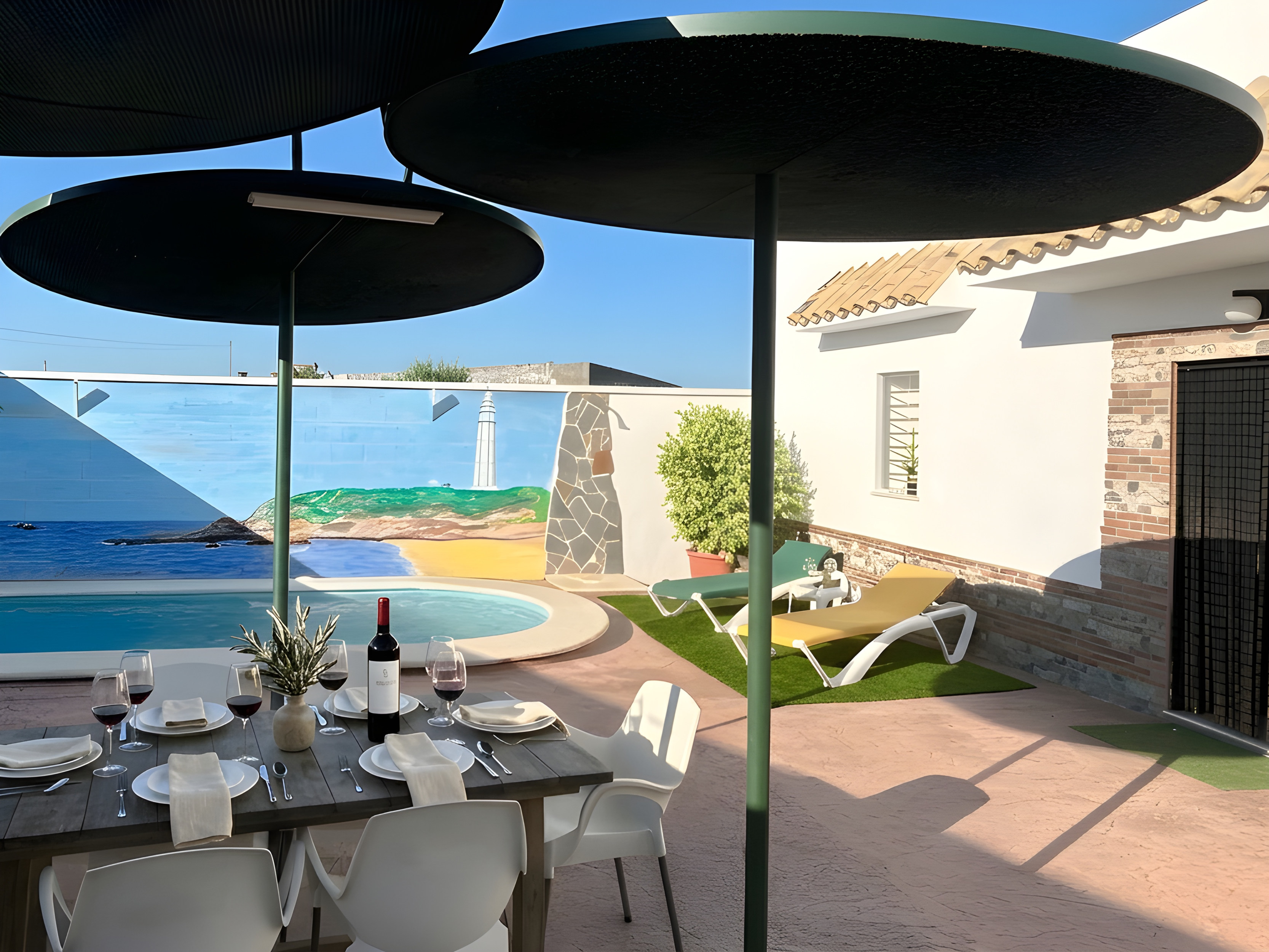
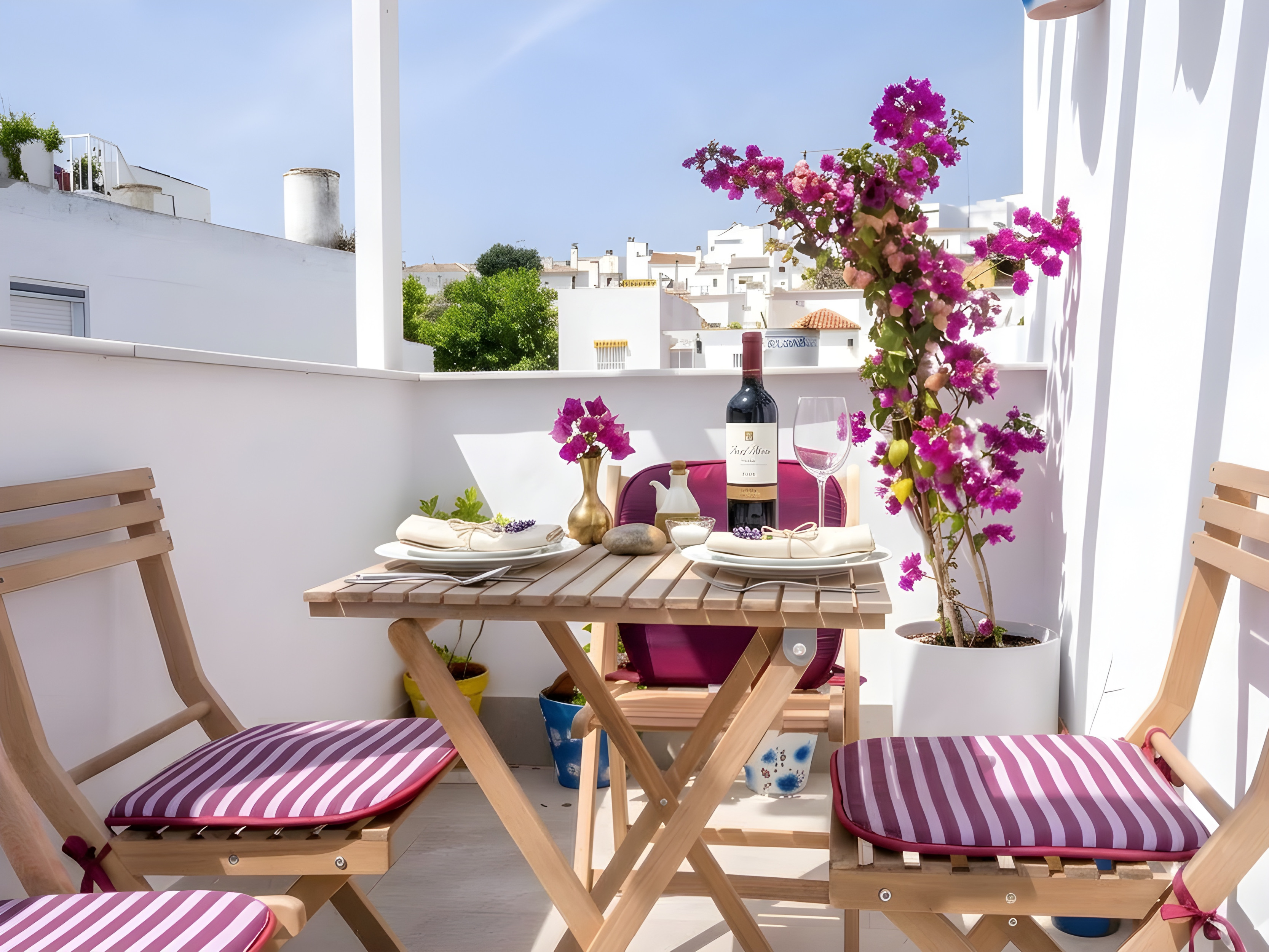
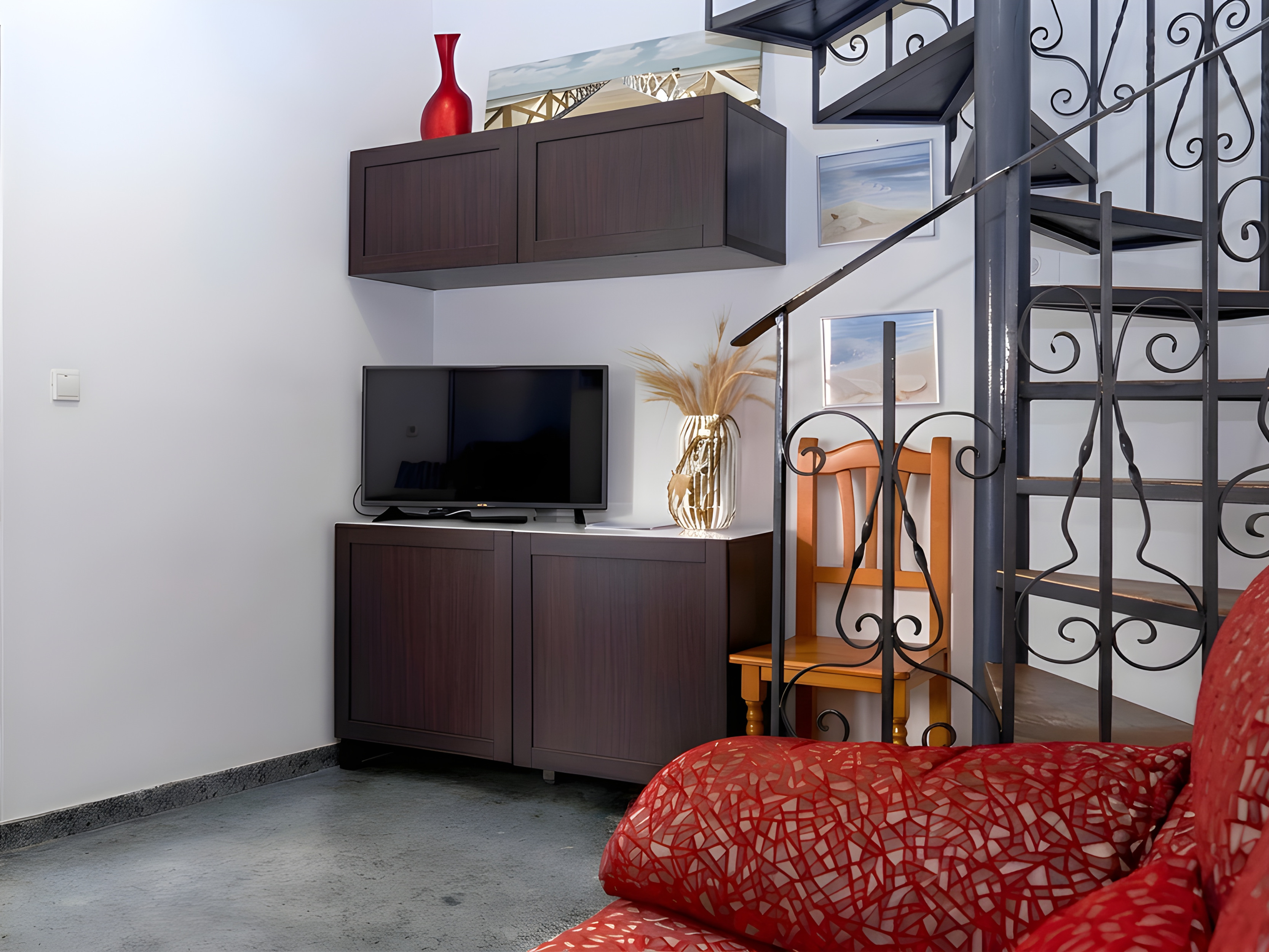
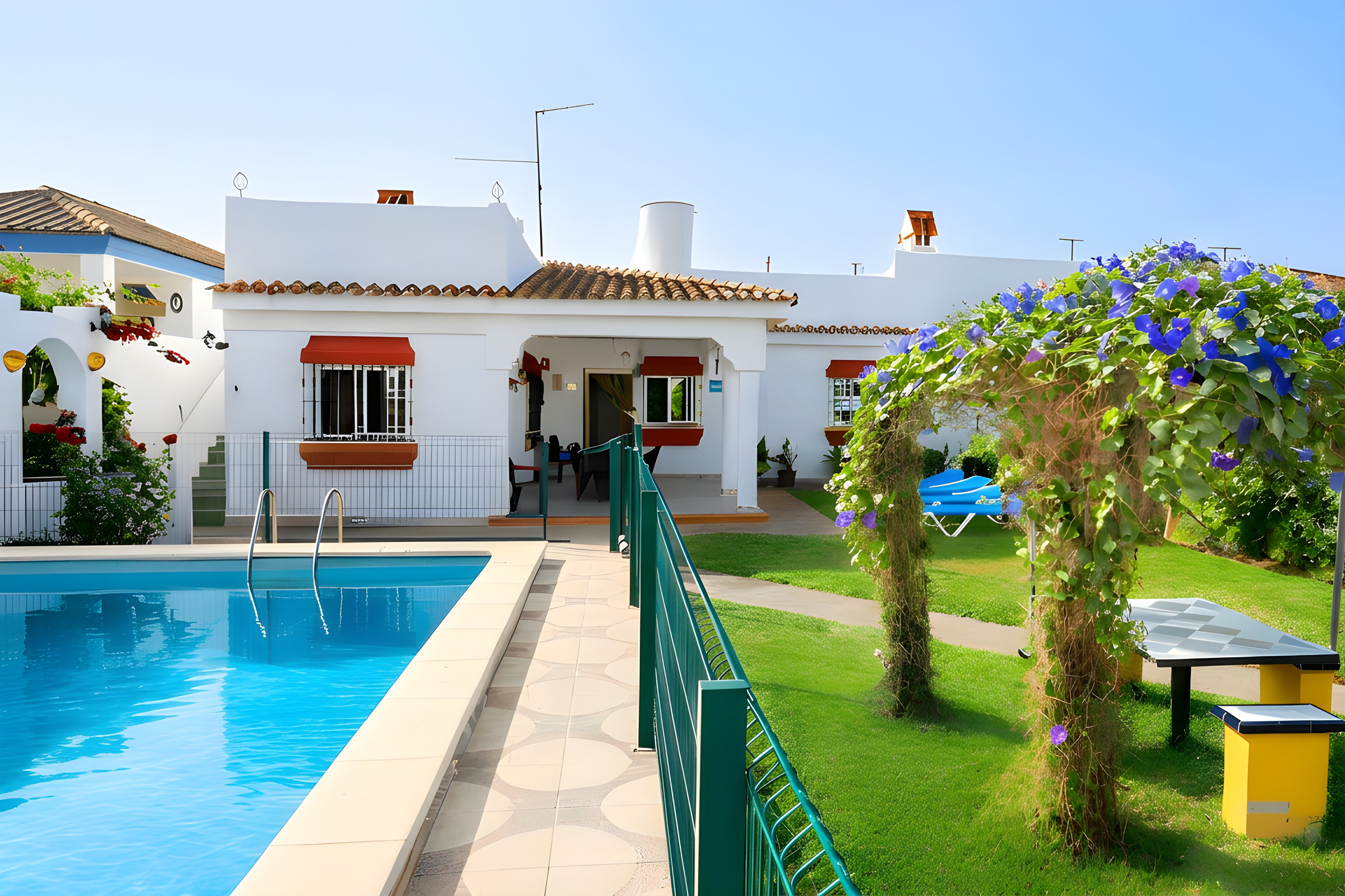
151 properties of our own in the catalogue. Enter your dates to see availability and the final price.

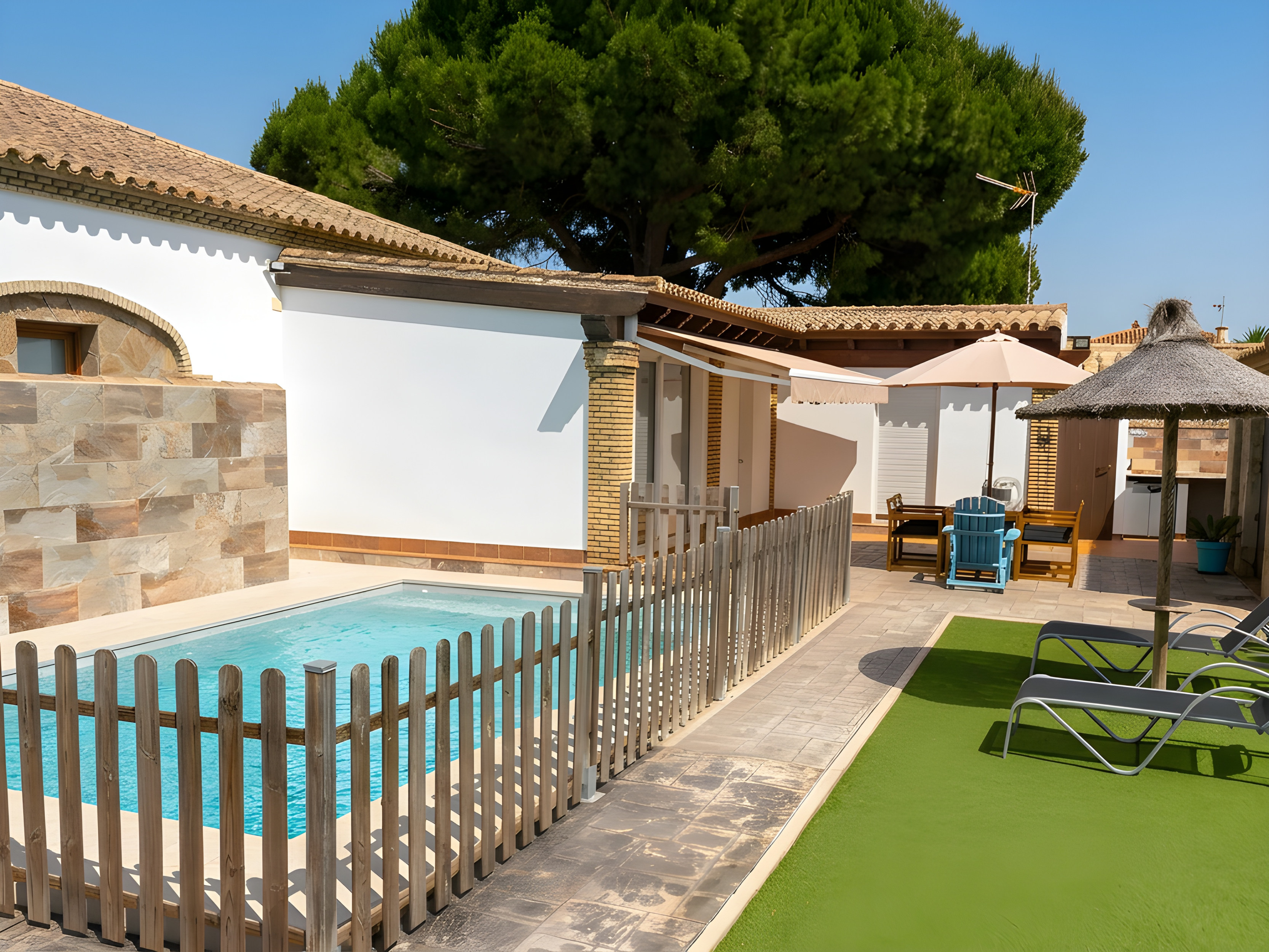
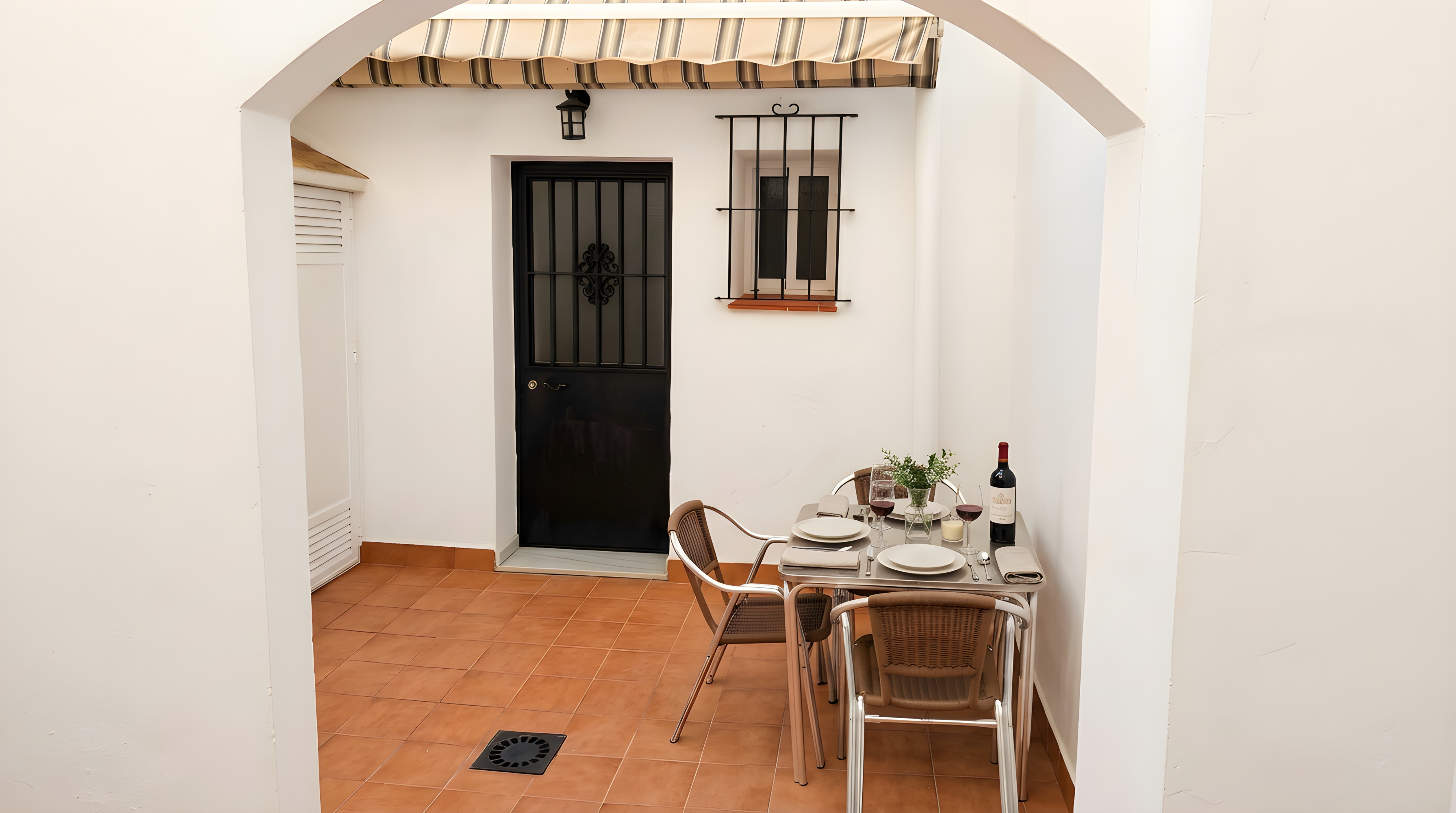
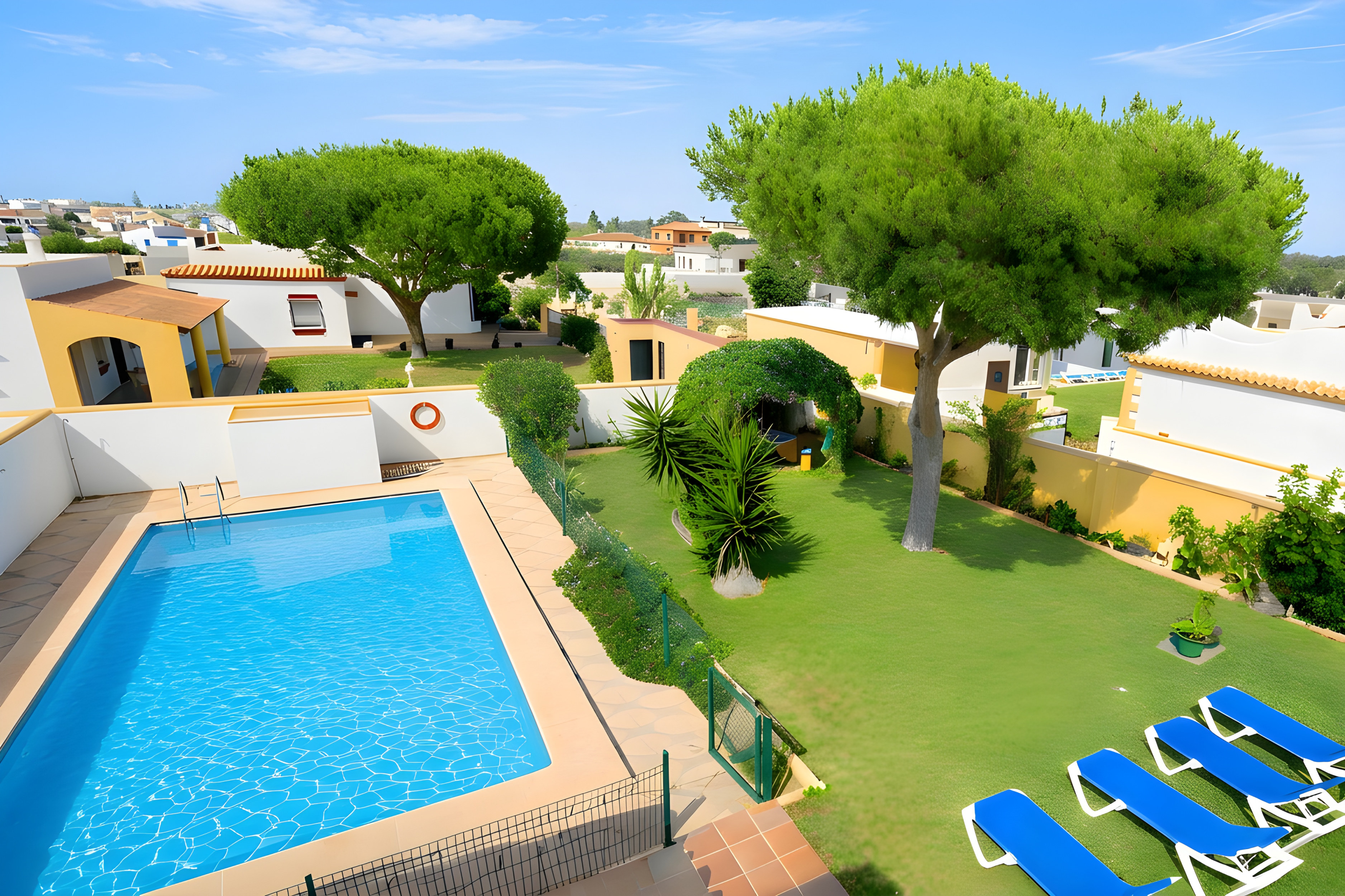
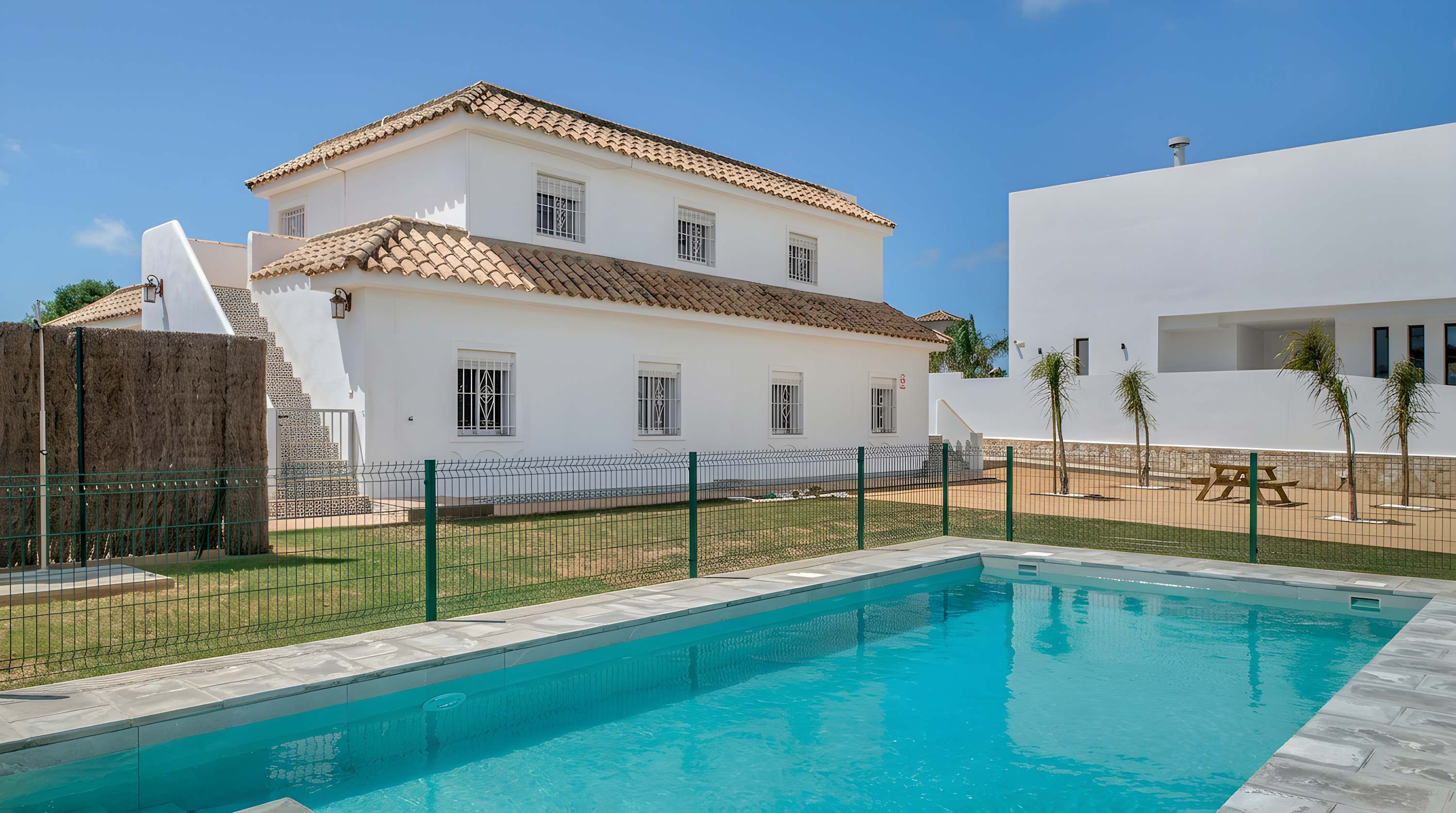

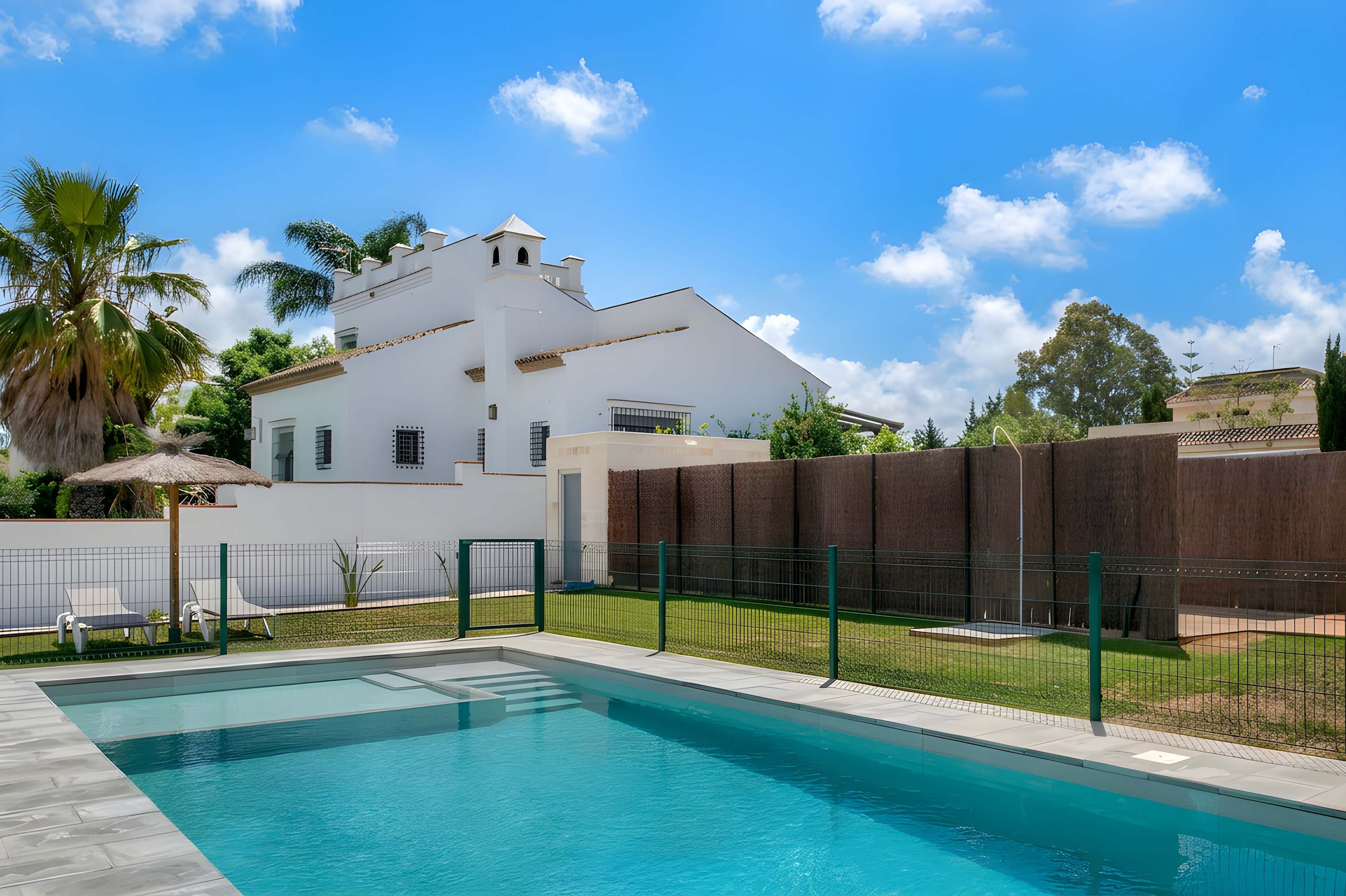
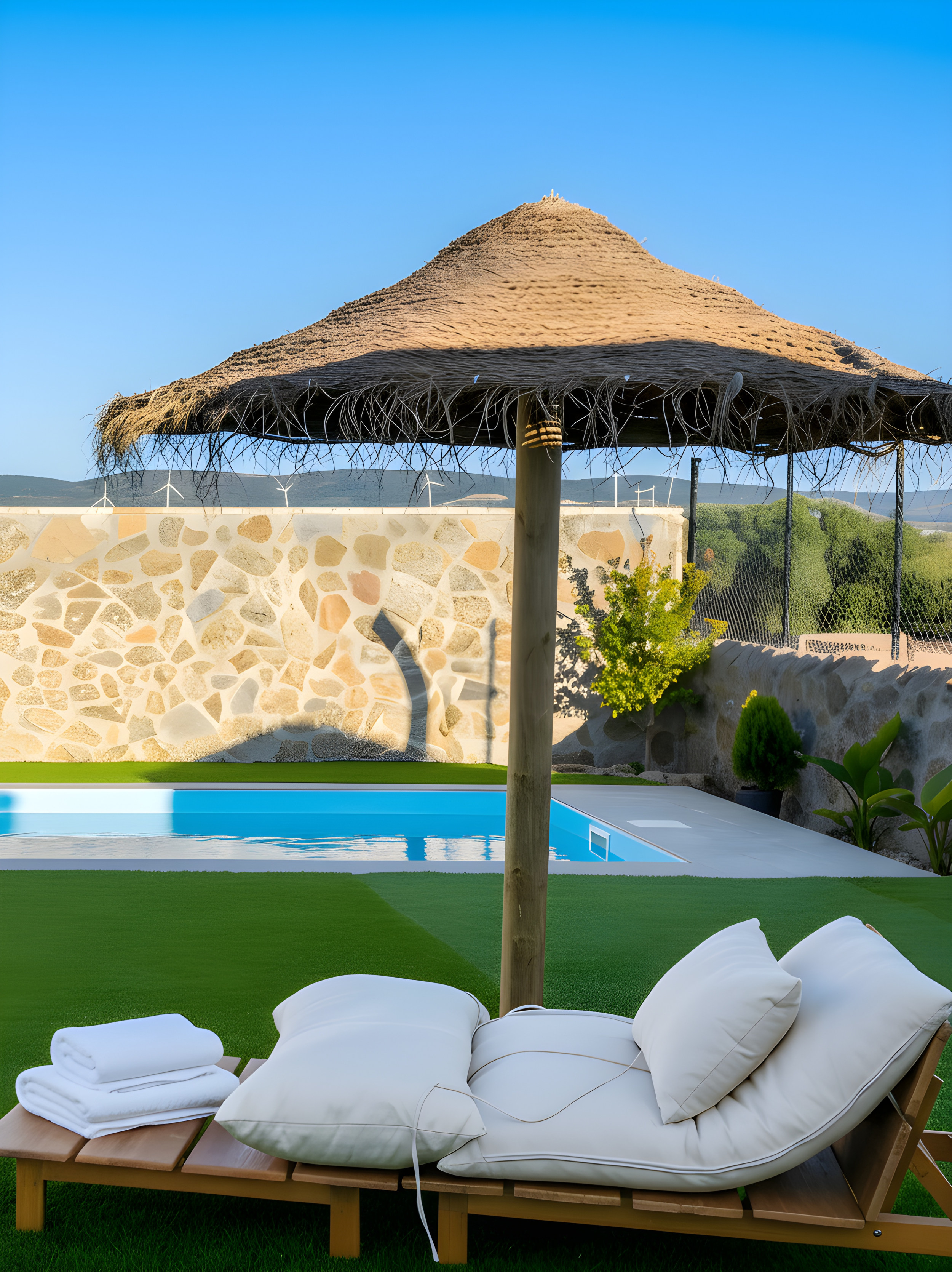
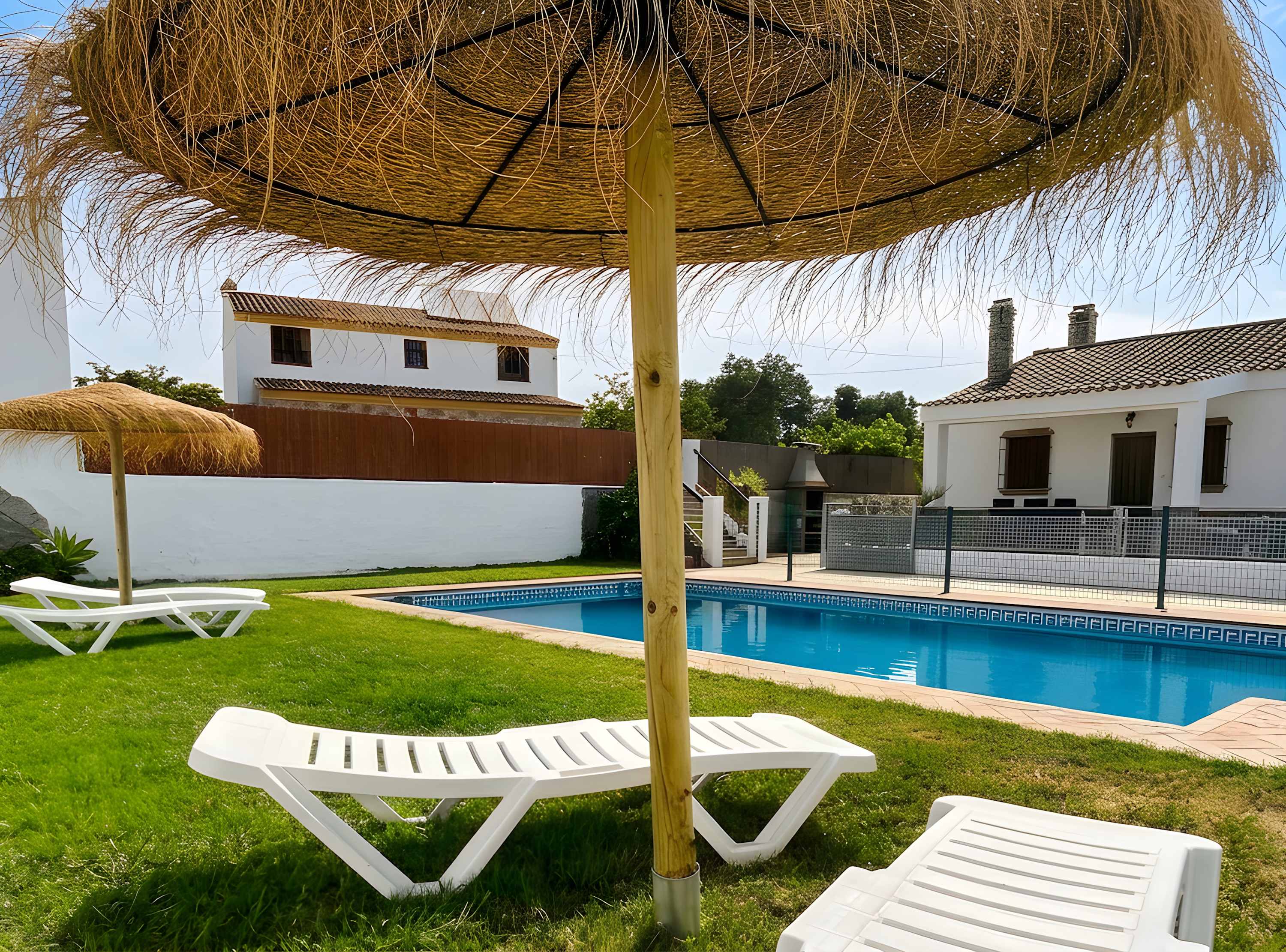
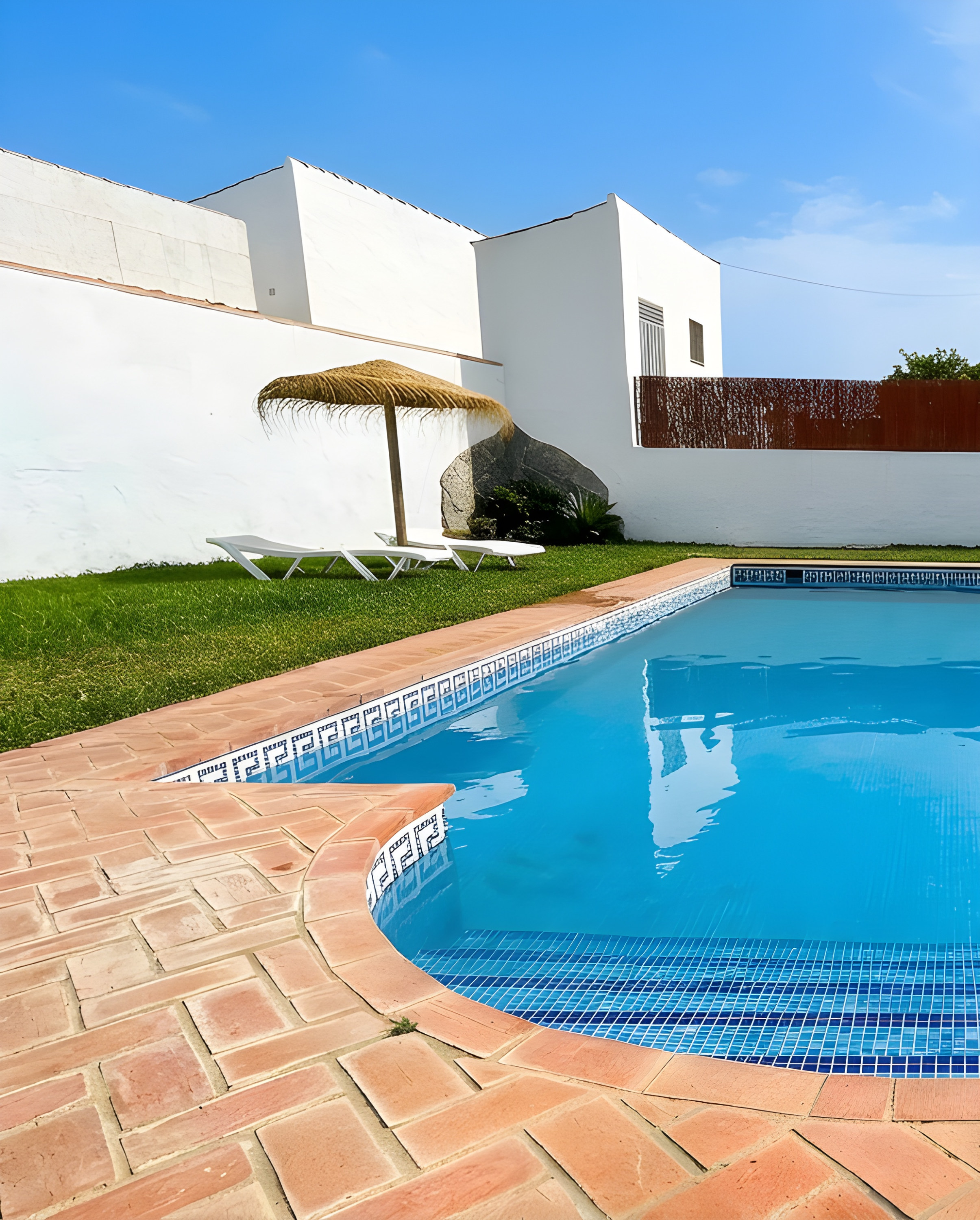
How the province breaks down
The La Janda coast holds the most open, least developed beaches: Conil de la Frontera, El Palmar, Los Caños de Meca with Cape Trafalgar, Zahara de los Atunes and Barbate. This is the zone of wild sand, dunes and clifftop pine woods.
The Bay of Cádiz covers Chiclana de la Frontera, San Fernando, Puerto Real and El Puerto de Santa María, with longer serviced beaches, golf courses and a natural park of marshes and salt pans where thousands of birds overwinter.
Inland lie Jerez de la Frontera —sherry, horses and flamenco— and the Sierra de Cádiz, with the white villages of Arcos, Grazalema, Zahara de la Sierra and Setenil de las Bodegas. To the south, the Campo de Gibraltar and Tarifa, where the Atlantic meets the Mediterranean.
Beyond the beach
The province drives well and lets you combine coast and interior in the same trip. A common route strings together Vejer de la Frontera, Cape Trafalgar, the La Breña y Marismas del Barbate Natural Park and the Zahara beaches in a single day.
In Jerez you can tour century-old bodegas and the Royal Andalusian School of Equestrian Art; in the city of Cádiz, the walled old town, the cathedral and the central market. The Sierra de Grazalema Natural Park, one of the rainiest spots in Spain, offers hiking and griffon vulture watching.
The food is a reason to travel in itself: almadraba bluefin tuna from April to June, fried pescaíto, shrimp fritters, retinto beef and the wines of the Marco de Jerez.
When to visit Cádiz
Summer, June to September, is beach season, with July and August at maximum occupancy. September is usually the best balance: warm water, uncrowded beaches and more restrained prices.
Spring is excellent for the interior and for tuna season; the Cádiz Carnival, in February, fills the capital for weeks. Autumn and winter are mild and made for golf, hiking and trips to the white villages.
Keep the wind in mind: the levante blows hard in summer and shapes your beach day, while the poniente brings cooler air and calmer water.
Getting there
Jerez de la Frontera airport (XRY) is the closest and connects to several European cities. Seville (SVQ), an hour and a half from the coast by car, has far more routes, and Málaga (AGP) is an alternative for long-haul flights.
High-speed trains run to Cádiz and Jerez from Madrid and Seville, with commuter services linking Cádiz, San Fernando, Puerto Real, El Puerto de Santa María and Jerez. For the La Janda coast —Conil, El Palmar, Los Caños— a car is effectively essential.